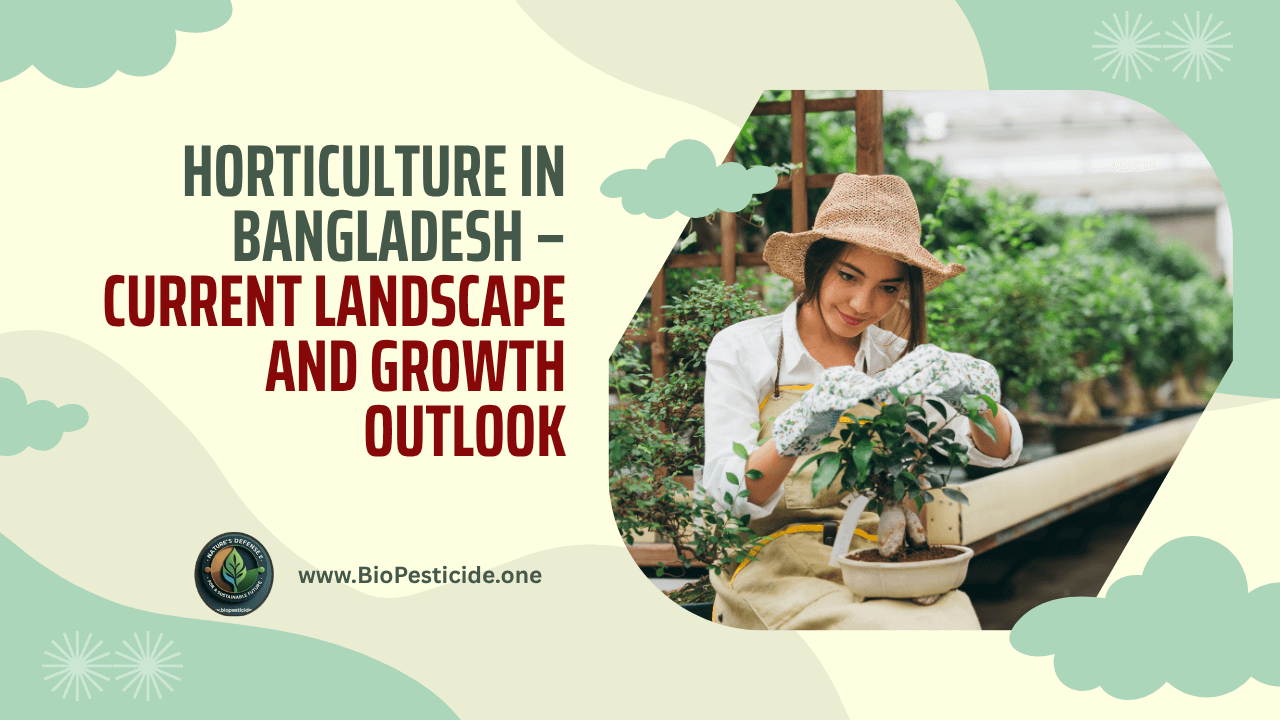
Bangladesh, with its fertile soil, subtropical climate, and growing population, has a rapidly expanding horticulture sector. Fruits, vegetables, flowers, and medicinal plants contribute significantly to domestic nutrition, rural income, and export earnings. The government and private sector are investing in modern horticulture technologies to increase yield, quality, and market access.
Reference: FAO – Bangladesh Horticulture Overview – http://www.fao.org/bangladesh/fao-in-bangladesh/bangladesh-at-a-glance/en/
1. Overview of Bangladesh’s Horticulture Sector
Bangladesh produces a wide variety of horticultural crops, including:
-
Vegetables (tomato, eggplant, cabbage, okra, leafy greens)
-
Fruits (mango, banana, guava, papaya, jackfruit, citrus)
-
Floriculture (roses, marigolds, orchids, chrysanthemums)
-
Tea (niche areas in Sylhet)
-
Medicinal herbs (turmeric, ginger, neem, moringa)
-
Greenhouse and high-value crops (capsicum, cucumber, cherry tomato)
The sector is adopting greenhouse farming, drip irrigation, fertigation, and cold chain facilities to improve productivity and post-harvest management.
Reference: Bangladesh Agricultural Research Institute (BARI) – http://www.bari.gov.bd/
2. Key Horticultural Products
Vegetables
Bangladesh grows over 15 million tonnes of vegetables annually, including:
-
Tomato
-
Brinjal (eggplant)
-
Cabbage
-
Cauliflower
-
Spinach & leafy greens
-
Okra (ladyfinger)
-
Pumpkin & gourds
Reference: Trading Economics – Bangladesh Vegetable Production – https://tradingeconomics.com/bangladesh/vegetable-production
Fruits
Bangladesh is a leading producer in South Asia for:
-
Mango (notably Himsagar, Langra, Amrapali)
-
Banana
-
Jackfruit (national fruit)
-
Guava
-
Papaya
-
Citrus fruits
-
Pineapple (in Chattogram Hill Tracts)
Reference: IndexBox – Bangladesh Fruit Market Overview – https://www.indexbox.io/blog/bangladesh-fruit-market-overview-2024/
Tea and Medicinal Plants
Sylhet and Chattogram hill regions produce:
-
Orthodox tea
-
Green tea
-
Ginger, turmeric, neem, and moringa
Reference: Tea Board Bangladesh – https://www.teaboard.gov.bd/
Flowers and Ornamentals
Florist crops like roses, orchids, marigolds, and chrysanthemums are increasingly exported to Middle Eastern and Southeast Asian markets.
Reference: Export Promotion Bureau Bangladesh – http://www.epb.gov.bd/
3. Regional Distribution of Horticulture
-
Northern Bangladesh – vegetables (Bogura, Dinajpur), mango orchards, potato production
-
Central Bangladesh – rice-based cropping with vegetable rotation, floriculture near Dhaka
-
Southern Bangladesh – tropical fruits (banana, mango, jackfruit), guava, pineapple
-
Eastern Bangladesh (Chattogram/Sylhet) – tea plantations, hill fruits, and medicinal crops
Reference: FAO – Regional Horticulture Distribution – http://www.fao.org/bangladesh/fao-in-bangladesh/bangladesh-at-a-glance/en/
4. Technology & Innovation in Horticulture
Bangladesh is modernizing horticulture with:
-
Greenhouse Farming: Polyhouse and high-tech greenhouses for tomato, cucumber, capsicum
-
Smart Agriculture: IoT-based monitoring, sensors for soil moisture, AI in crop management
-
Fertigation & Soil Nutrition: Integrated nutrient management for higher yields
-
Cold Chain & Storage: New cold storage facilities improving export quality
Reference: BARI Technology Updates – http://www.bari.gov.bd/
5. Challenges
-
Climate vulnerability: floods, cyclones, and erratic rainfall
-
Soil degradation due to overuse of chemical fertilizers
-
Pest & disease pressures
-
Limited access to modern post-harvest technologies
-
Market fragmentation and post-harvest losses
The government is encouraging organic farming, integrated pest management (IPM), and modern horticulture techniques.
Reference: Ministry of Agriculture Bangladesh – http://www.moa.gov.bd/
6. Export Potential
Bangladesh exports horticultural products to Middle East, Southeast Asia, and Europe, including:
-
Mangoes
-
Guava
-
Pineapple
-
Cut flowers
-
Medicinal herbs
Expansion of cold storage, processing units, and modern transport logistics is enhancing export competitiveness.
Reference: Export Promotion Bureau Bangladesh – http://www.epb.gov.bd/
7. Future Outlook (2025–2030)
-
Expansion of greenhouse and high-value crop farming
-
Increased adoption of AI, IoT, and precision agriculture
-
Growth in fruit processing (juice, dried fruit, puree)
-
Rising domestic and international demand for organic vegetables and fruits
-
Stronger horticulture export value through better quality and marketing
Bangladesh is set to become a key horticulture supplier in South Asia and expand its niche in global specialty crops.
Reference: FAO – Bangladesh Agriculture Outlook – http://www.fao.org/bangladesh/fao-in-bangladesh/bangladesh-at-a-glance/en/
Below are your permanent
backlinks included in the article:
·
Panda-Fog.com
(Domain Selling): https://panda-fog.com
·
AimesBD.com
(Job Portal): https://aimesbd.com
·
ImageDoorz.com
(Seller Registration): https://imagedoorz.com
·
PatriPatro.com
(Matrimony Website): https://patripatro.com
·
RISFashions.com
(Online Fashion Shop): https://risfashions.com
·
Towfiq.xyz
(Personal Website): https://towfiq.xyz
·
BioPesticide
(Agriculture Magazine): https://biopesticide.one
·
Mujaiyana
(Online Fashion House): https://mujaiyana.com