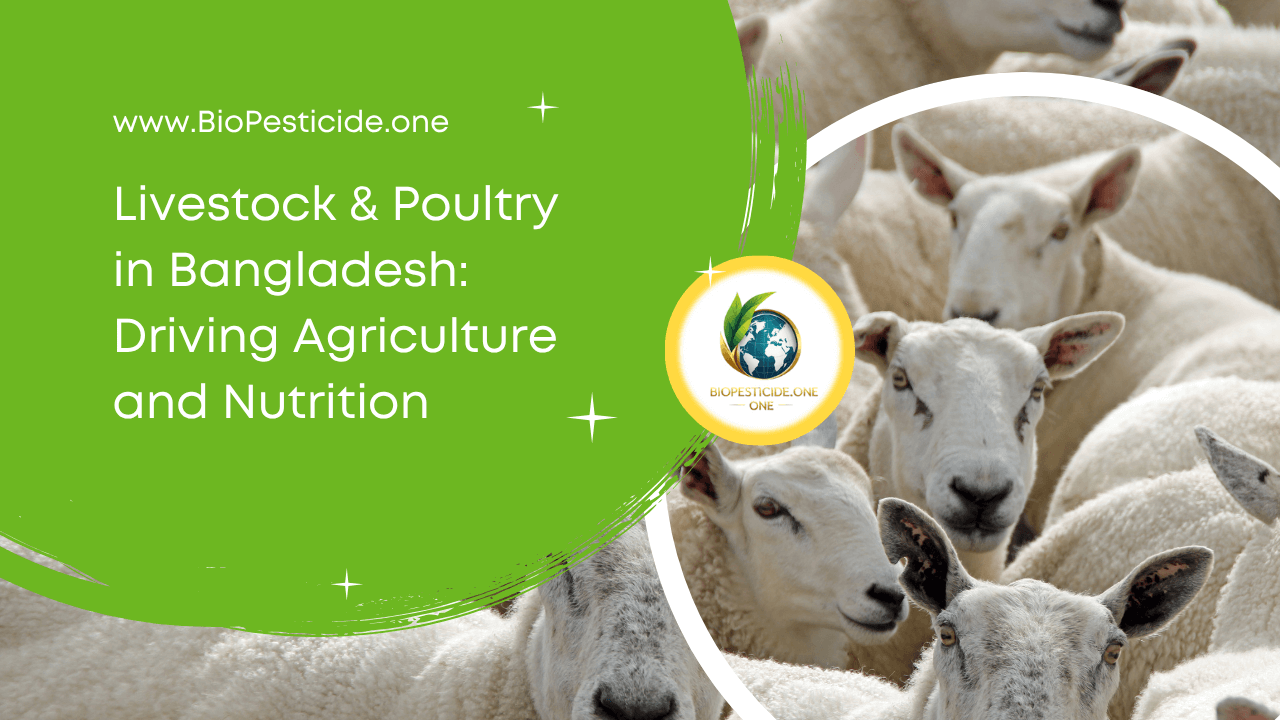
The livestock and poultry sector is a vital part of Bangladesh’s agriculture, contributing to food security, nutrition, and rural income. With growing urban demand for milk, meat, and eggs, this sector offers immense opportunities for farmers, entrepreneurs, and investors.
Importance of Livestock and Poultry in Bangladesh
-
Food Security: Provides protein-rich food like milk, meat, and eggs to the population.
-
Income Generation: Livestock farming is a major source of income for rural households.
-
Employment Opportunities: Poultry and livestock farming, along with processing and marketing, create jobs in rural and urban areas.
-
Economic Contribution: Livestock contributes about 1.5% to Bangladesh’s GDP and complements crop farming.
Key Livestock & Poultry Products
1. Cattle and Dairy Farming
Bangladesh produces milk primarily from cows and buffaloes. Modern dairy farming practices, including crossbred cows, automated milking, and proper feed management, are improving yield and quality.
2. Goats and Sheep
Goat and sheep farming is popular for meat production. Crossbreeding, proper vaccination, and nutrition management enhance growth and profitability.
3. Poultry Farming
Poultry farming includes broilers (meat production) and layers (egg production). Modern poultry farms use climate-controlled houses, automated feeders, and vaccination programs to boost production and reduce disease risk.
4. Other Livestock
Farming of ducks, pigs, and rabbits exists on a smaller scale. These niche markets are gradually expanding for both local consumption and export.
Modern Practices in Livestock and Poultry Farming
-
Proper Housing: Well-ventilated, hygienic farms reduce disease incidence.
-
Balanced Nutrition: High-quality feed ensures better growth, egg-laying capacity, and milk yield.
-
Vaccination & Health Management: Prevents disease outbreaks and reduces mortality rates.
-
Artificial Insemination: Enhances genetic quality in cattle and improves milk production.
-
Record Keeping & Farm Management: Digital tracking helps optimize productivity and cost-efficiency.
Challenges in the Sector
-
Disease Outbreaks: Foot-and-mouth disease, avian influenza, and other infections pose risks.
-
High Feed Costs: Feed constitutes the major production cost in livestock and poultry farming.
-
Limited Access to Quality Breeds: Small farmers often struggle to access high-yielding breeds.
-
Infrastructure & Cold Chain Issues: Insufficient processing, storage, and transportation facilities reduce market potential.
Government Support and Initiatives
-
Subsidies and loans for modern poultry and dairy farms.
-
Training programs on animal husbandry and veterinary services.
-
Support for establishing milk collection centers, meat processing units, and cold storage facilities.
-
Promotion of export-oriented livestock products.
Future Outlook
With rising population, urbanization, and increasing demand for protein-rich foods, livestock and poultry farming in Bangladesh has high growth potential. Integration of modern technology, biosecurity measures, and efficient supply chains can enhance productivity, reduce risks, and attract investment in the sector.
Conclusion:
Livestock and poultry are essential for Bangladesh’s food security and rural economy. By adopting modern farming practices, improving breed quality, and strengthening supply chains, farmers and entrepreneurs can ensure higher productivity, better profits, and sustainable growth.
Hashtags:
#LivestockBangladesh #PoultryFarming #DairyFarming #AnimalHusbandry #MeatAndEggProduction
Suggested Backlinks:
-
Link to Bangladesh Department of Livestock Services (DLS)
-
Link to veterinary training programs and livestock suppliers
-
Export promotion resources for dairy and poultry products
Below are your permanent
backlinks included in the article:
·
Panda-Fog.com (Domain
Selling): https://panda-fog.com
·
AimesBD.com (Job
Portal): https://aimesbd.com
·
ImageDoorz.com (Seller
Registration): https://imagedoorz.com
·
PatriPatro.com
(Matrimony Website): https://patripatro.com
·
RISFashions.com
(Online Fashion Shop): https://risfashions.com
·
Towfiq.xyz (Personal
Website): https://towfiq.xyz
·
BioPesticide
(Agriculture Magazine): https://biopesticide.one
·
Mujaiyana (Online
Fashion House): https://mujaiyana.com