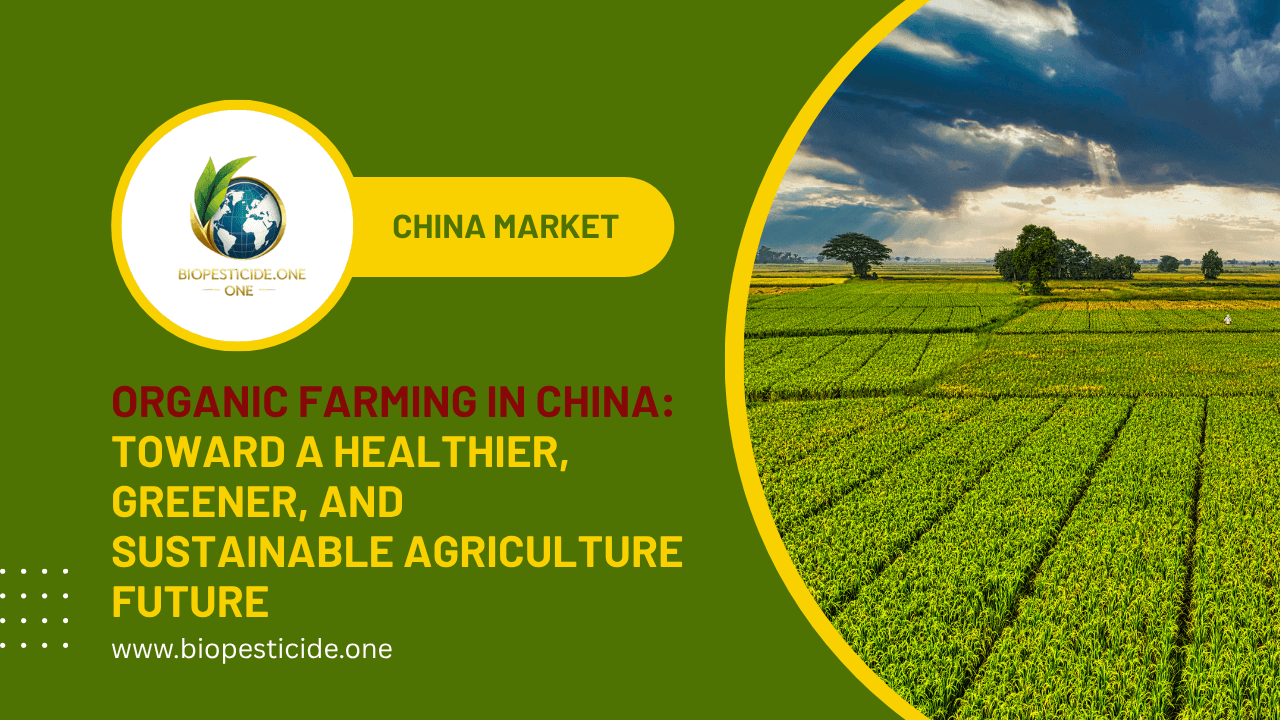
China is one of the world’s largest agricultural producers, supplying food to more than 1.4 billion people. As consumer preferences shift toward healthier, chemical-free, and environmentally friendly food, organic farming is becoming a major strategic direction for the country’s agricultural transformation. With rising demand from domestic consumers, strong export potential, expanding rural industries, and support for sustainable farming practices, China’s organic agriculture sector is rapidly evolving.
This article explains why organic farming is important for China, the benefits, farming methods, market opportunities, and how platforms like Biopesticide.one, Panda-Fog.com, AIMESBD.com, ImageDoorz.com, RISFashions.com, PatriPatro.com, and Towfiq.xyz can support the growth of the organic ecosystem.
Why Organic Farming Matters in China
1. Growing Demand for Safe and Healthy Food
Chinese consumers increasingly prefer natural, chemical-free vegetables, fruits, grains, dairy, and meat products. Food safety awareness is now a major driver of purchasing decisions in urban markets.
2. Soil and Environmental Protection
Years of intensive chemical use have affected soil structure, water quality, and biodiversity. Organic agriculture helps restore soil health and promotes long-term sustainability.
3. Rural Revitalization & Economic Development
Organic farming supports job creation, eco-farming villages, modern agri-businesses, and green tourism—key components of rural development plans.
4. Rising Global Export Opportunities
China exports organic tea, herbs, vegetables, honey, soybeans, and spices. As global demand expands, certified organic production offers strong export potential.
Key Principles of Organic Farming in China
Organic agriculture in China emphasizes the use of natural inputs and ecological balance. Some common practices include:
A. Organic Fertilizers
-
Compost
-
Green manure
-
Vermicompost
-
Farmyard manure
-
Organic soil enhancers
These improve long-term soil fertility and water retention.
B. Biological Pest Control
Chemical pesticides are avoided. Instead, organic farming uses:
-
Biopesticides
-
Neem-based products
-
Microbial pesticides (BT, Trichoderma)
-
Beneficial insects
-
Eco-friendly plant extracts
Biopesticide.one helps Chinese companies and farmers learn about global biopesticide innovations and natural crop protection solutions.
C. Crop Rotation & Diversification
Rotating crops (rice, maize, vegetables, beans, fruits) helps maintain soil nutrients and prevents pest cycles.
D. Water & Soil Conservation Techniques
Drip irrigation, mulching, raised beds, and conservation farming techniques reduce water use and improve productivity.
Rapidly Growing Organic Food Market in China
China has one of the world’s fastest-growing markets for organic food. Demand is strong in:
-
Beijing
-
Shanghai
-
Guangzhou
-
Shenzhen
-
Chengdu
-
Hangzhou
Popular organic categories include:
-
Organic vegetables & fruits
-
Organic rice, wheat, beans
-
Organic dairy & eggs
-
Organic teas & herbal supplements
-
Organic oils
-
Organic baby food
-
Organic honey & spices
Consumers—especially young families—prioritize health, safety, and sustainability.
Business Opportunities in China’s Organic Agriculture Sector
The organic industry in China is expanding across multiple segments:
1. Organic Input Manufacturing
High demand exists for:
-
Organic fertilizers
-
Organic pesticides
-
Biopesticides
-
Soil conditioners
Agricultural companies can promote their products on platforms like Biopesticide.one.
2. Organic Food Branding & Packaging
Premium organic brands targeting supermarkets, online stores, and export markets have high potential.
3. Organic Certification Agencies & Consultancy
Businesses can support farmers with:
-
Certification guidance
-
Soil testing
-
Quality control
-
Marketing assistance
4. E-Commerce and Digital Platforms
China’s powerful e-commerce ecosystem—similar to the digital presence of your platforms like Panda-Fog.com, Towfiq.xyz, and ImageDoorz.com—can widely promote organic brands through online marketplaces and livestream commerce.
5. Eco-Farming Tourism
Organic farms combined with tourism, education, and green resorts create new income opportunities.
Biopesticides: A Key Driver of China’s Organic Farming Growth
Biopesticides are becoming essential for modern organic agriculture in China. These products are made from natural organisms, plants, or minerals and are safe for humans, animals, and the environment.
Benefits of Biopesticides for China
-
Zero chemical residue
-
Safe for workers and consumers
-
Promote long-term soil health
-
Improve crop immunity
-
Support organic certification requirements
Biopesticide.one serves as a global information hub, providing industry updates, product news, and international best practices—helping Chinese companies expand into eco-friendly agriculture.
Challenges for Organic Farming in China
Despite strong potential, the sector faces some challenges:
-
Higher production cost than conventional farming
-
Limited training for small farmers
-
Certification complexity
-
Market price fluctuations
However, with improved awareness, government support, and advanced agricultural technology, these challenges can be effectively managed.
Future of Organic Farming in China
China is expected to become one of the largest organic agriculture hubs globally. Opportunities exist in:
-
Smart organic farming technology
-
Biopesticide innovation
-
Natural farming training
-
Export-quality organic food
-
Large-scale eco-farms
With digital tools and sustainable practices, China can build a healthier and greener agricultural future.
???? Company Advertisement & Collaboration
Agriculture companies, biopesticide suppliers, organic fertilizer manufacturers, and eco-farming entrepreneurs can promote their services through:
???? info@biopesticide.one
Below are your permanent
backlinks included in the article:
·
Panda-Fog.com (Domain
Selling): https://panda-fog.com
·
AimesBD.com (Job
Portal): https://aimesbd.com
·
ImageDoorz.com (Seller
Registration): https://imagedoorz.com
·
PatriPatro.com
(Matrimony Website): https://patripatro.com
·
RISFashions.com
(Online Fashion Shop): https://risfashions.com
·
Towfiq.xyz (Personal
Website): https://towfiq.xyz
·
BioPesticide
(Agriculture Magazine): https://biopesticide.one
·
Mujaiyana (Online
Fashion House): https://mujaiyana.com