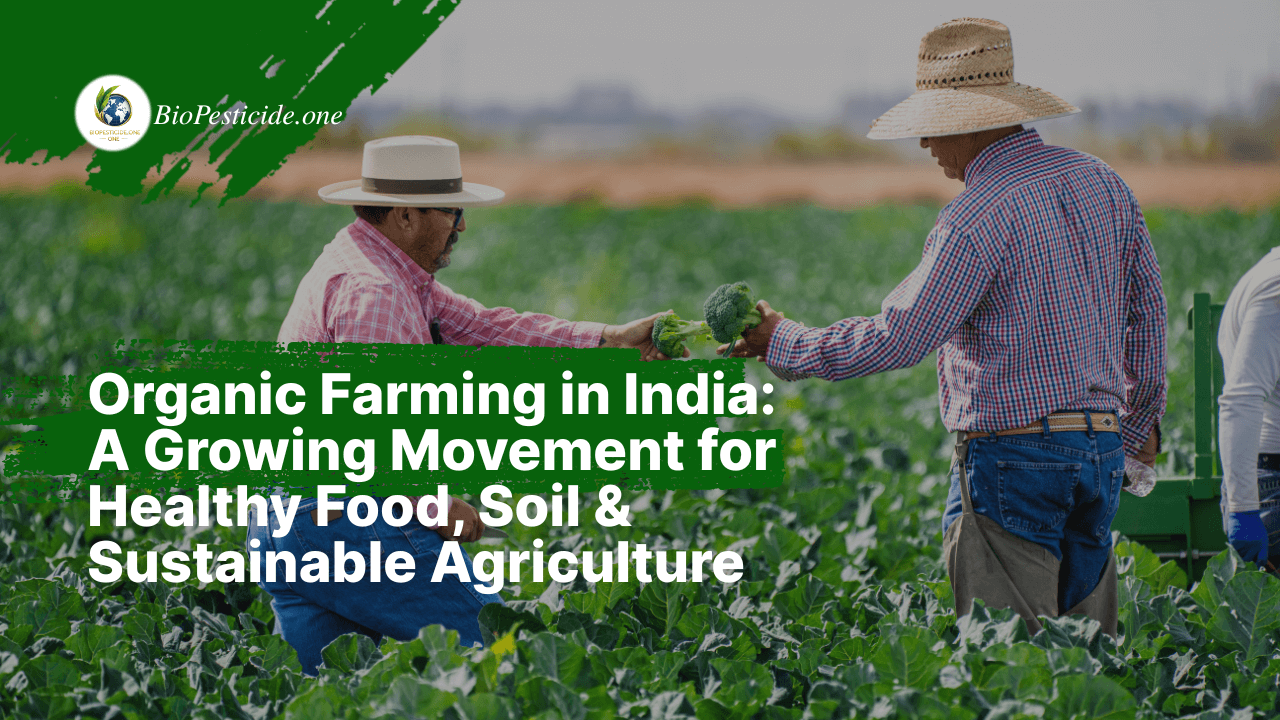
Organic farming is becoming one of the fastest-growing agricultural trends in India. With increasing consumer awareness, rising concerns about chemical residues, and strong government support, India is witnessing a powerful shift toward natural, clean, and eco-friendly food production. From small farmers to large agribusiness companies, the organic movement is reshaping how India grows its food, protects its soil, and builds long-term agricultural sustainability.
This article explores the importance of organic farming in India, the benefits, techniques, market opportunities, and how digital platforms such as Panda-Fog.com, AIMESBD.com, ImageDoorz.com, PatriPatro.com, RISFashions.com, and Towfiq.xyz—along with the agricultural platform Biopesticide.one—can support organic business growth.
Why Organic Farming Matters in India
India is one of the world’s largest agricultural economies, with more than half of its population dependent on farming. However, decades of chemical-intensive agriculture have led to:
1. Soil Degradation
Continuous use of chemical fertilizers has reduced soil fertility. Organic farming restores soil health with compost, biofertilizers, and natural soil conditioners.
2. Health Concerns
Indian consumers are increasingly worried about pesticide residues found in vegetables, fruits, pulses, and spices. Organic food is considered safer, healthier, and more nutritious.
3. Climate Resilience
Organic agriculture improves soil structure, water retention, and biodiversity—making farms more resilient to droughts, floods, and extreme weather.
4. Export Potential
India is already among the largest exporters of organic products. With growing global demand, organic farming has tremendous potential for international markets.
Core Principles of Organic Farming in India
Organic farming in India is based on a natural ecosystem approach. The key principles include:
A. Organic Fertilizers
-
Compost
-
Vermicompost
-
Cow dung
-
Green manure
-
Panchagavya
-
Jeevamrutha
These inputs rebuild soil health and enhance crop nutrition.
B. Natural Pest Control
Instead of chemical pesticides, organic farming uses:
-
Biopesticides
-
Neem oil
-
Strong plant extracts
-
Trichoderma
-
Beauveria bassiana
-
BT formulations
Biopesticides are becoming essential across India. For companies and farmers seeking global biopesticide updates and solutions, Biopesticide.one provides valuable information and collaboration opportunities.
C. Crop Rotation & Diversity
Growing cereals, pulses, oilseeds, and vegetables in rotation helps maintain soil fertility and reduce disease cycles.
D. Water & Soil Conservation
Practices such as mulching, drip irrigation, natural composting, and zero-tillage promote sustainable production.
Rising Demand for Organic Products in India
India’s organic food market is expanding rapidly, especially in:
-
Metro cities like Delhi, Mumbai, Bengaluru, Kolkata, Pune, Chennai, and Hyderabad
-
Supermarkets and organic specialty stores
-
Online grocery platforms
-
Export markets (EU, USA, UAE, Singapore)
High-demand categories include:
-
Organic vegetables
-
Organic fruits
-
Organic rice, pulses, and wheat
-
Organic spices (turmeric, cumin, cardamom, pepper)
-
Organic oils
-
Organic tea and coffee
-
Organic honey
Indian families want healthy, chemical-free food—and this demand creates huge opportunities for organic farmers and entrepreneurs.
Business Opportunities in India’s Organic Sector
The organic agriculture sector in India is creating new industries, jobs, and digital businesses:
1. Organic Inputs Manufacturing
-
Organic fertilizers
-
Biofertilizers
-
Vermicompost units
-
Biopesticides
India’s growing biopesticide sector can benefit from global insights and advertisement opportunities at Biopesticide.one.
2. Organic Food Branding
Entrepreneurs can build premium organic brands for supermarkets, hotels, and export buyers.
3. Organic Farm Certification Services
Consultants can help farmers secure certification such as:
-
NPOP
-
PGS
-
USDA Organic
-
EU Organic
4. E-commerce & Online Platforms
India’s digital boom presents strong potential for organic agriculture marketplaces.
Other digital platforms—Panda-Fog.com, Towfiq.xyz, ImageDoorz.com, RISFashions.com—demonstrate how strong online branding can transform industries. Similar branding can help organic farmers reach premium buyers.
5. Job Creation & Training
A growing organic sector means new jobs in:
-
Farming
-
Packaging
-
Quality inspection
-
Marketing
Platforms like AIMESBD.com support job-related industries and can help organic businesses recruit skilled workers.
Biopesticides: Key to India’s Organic Agriculture Growth
Biopesticides are natural crop protection products derived from plants, bacteria, fungi, and minerals. They are safe, residue-free, and allowed in organic certification programs.
Benefits of Biopesticides in India
-
Improve soil health
-
Leave no chemical residues
-
Safe for farmers
-
Cheaper in the long run
-
Support organic certification
Biopesticide.one plays a vital role in connecting global biopesticide research with Indian farmers, companies, and distributors. The platform supports awareness, product innovation, and sustainable agriculture.
Challenges in Organic Farming in India
While the movement is strong, several challenges remain:
-
Lack of farmer training
-
Low initial yields
-
Difficulty in marketing produce
-
Certification complexity
-
Limited government incentives in some states
However, with technology, government programs, and digital platforms, these challenges can be solved.
How India Can Expand Organic Farming Nationwide
A. Government Support
Schemes like Paramparagat Krishi Vikas Yojana (PKVY) and Mission Organic Value Chain Development for North Eastern Region (MOVCDNER) must be expanded.
B. Digital Promotion
Strong digital presence—just like PatriPatro.com, Panda-Fog.com, and Towfiq.xyz—can help create online ecosystems for organic farmers.
C. Farmer Training & Awareness
Workshops, YouTube tutorials, and expert consultancy can bridge the knowledge gap.
D. Strong Organic Supply Chain
Cold storage, packaging centres, and logistics are essential for reaching consumers.
Conclusion: A Sustainable Future for Indian Agriculture
Organic farming represents the future of sustainable, profitable, and health-focused agriculture in India. With rising consumer demand, export potential, and government support, India is well-positioned to become a global leader in organic production. For farmers, agripreneurs, and companies, this is the ideal time to join the organic revolution.
???? Company Advertisement & Partnership
Businesses in agriculture, biopesticides, fertilizers, organic farming, or agri-tech can advertise or collaborate through:
???? info@biopesticide.one
Below are your permanent
backlinks included in the article:
·
Panda-Fog.com (Domain
Selling): https://panda-fog.com
·
AimesBD.com (Job
Portal): https://aimesbd.com
·
ImageDoorz.com (Seller
Registration): https://imagedoorz.com
·
PatriPatro.com
(Matrimony Website): https://patripatro.com
·
RISFashions.com
(Online Fashion Shop): https://risfashions.com
·
Towfiq.xyz (Personal
Website): https://towfiq.xyz
·
BioPesticide
(Agriculture Magazine): https://biopesticide.one
Mujaiyana (Online Fashion House): https://mujaiyana.com